- Introduction
- Causes of Acne
- What Is Roaccutane?
- Is Roaccutane Used Only for Acne? (According to the FDA)
- Are There Any Side Effects of This Medication?
- Steps to Maintain Skin Health While Using Roaccutane
- Should I Stop Taking Roaccutane If I Experience Side Effects?
- What Is the Recommended Dosage of Roaccutane?
- Conclusion
Introduction
Roaccutane is one of the most widely used medical treatments for severe and persistent acne, thanks to its high effectiveness in improving the skin’s appearance, reducing inflammation, and regulating oil production. Despite its remarkable results, its use requires special care and close medical supervision due to its potential effects on the skin and body during treatment.
As soon as the Roaccutane program begins, skincare becomes essential to maintain skin health, enhance treatment results, and reduce side effects such as dryness, irritation, and sensitivity. Patients must learn how to choose suitable skincare products, follow an effective daily routine, and adopt healthy habits that make the treatment journey safe and comfortable.
In this article, we highlight the key guidelines for using Roaccutane and how to care for the skin properly during treatment to achieve the best possible results with minimal side effects.
Causes of Acne
Acne is one of the most common skin problems, resulting from several factors affecting the pores and sebaceous glands. The most common causes include:
1. Increased Oil (Sebum) Production
- Oily skin is more prone to acne.
- Sebaceous glands produce excess oil.
- Excess oil blocks pores and creates an ideal environment for bacteria.
2. Clogged Pores and Dead Skin Buildup
- Slow skin renewal leads to the accumulation of dead skin.
- Dead cells mix with oil and form whiteheads and blackheads.
- Clogged pores are the first step in acne formation.
3. Acne-Causing Bacteria (Cutibacterium acnes)
- Multiply inside clogged pores.
- Cause inflammation, redness, and swelling.
- Lead to painful inflammatory acne.
4. Hormonal Changes
- Occur during adolescence or before menstruation.
- May appear during pregnancy or after childbirth.
- Linked to disorders such as PCOS.
- Hormones increase oil production.
5. Genetics
- If a parent has acne, the likelihood increases.
- Genetics influence gland activity and hormonal response.
6. Stress
- Raises cortisol levels.
- Cortisol increases oil production and inflammation.
- Acne often appears during stressful periods.
7. Diet
- High-sugar foods such as sweets and soft drinks.
- Dairy products may worsen acne for some.
- Fast food and oily meals affect skin balance.
8. Inappropriate Cosmetics
- Using products containing heavy oils or pore-clogging ingredients.
- Wearing makeup for long hours without proper cleansing.
- Some fragranced or chemical products irritate the skin.
9. Certain Medications
- Such as corticosteroids, hormonal medications, and some anticonvulsants.
- May trigger acne as a side effect.
10. Daily Habits
- Frequently touching the face.
- Not washing pillowcases and towels often.
- Popping pimples leads to scarring and spreading bacteria.
What Is Roaccutane?
Roaccutane is a powerful medication used to treat severe and persistent acne that does not respond to topical treatments or antibiotics. It contains isotretinoin, a derivative of vitamin A that significantly reduces oil production, regulates sebaceous gland activity, and prevents clogged pores—leading to long-term and significant improvement in acne.
Although very effective, the medication requires a prescription and close dermatological follow-up due to possible side effects such as dryness, sensitivity, and mild changes in lab tests. Still, its long-lasting results make it one of the strongest and most reliable acne treatments available.
Is Roaccutane Used Only for Acne? (According to the FDA)
According to the U.S. Food and Drug Administration (FDA), isotretinoin is officially approved only for severe nodular acne that does not respond to other treatments.
The FDA does not approve its use for any other skin condition. Any additional uses fall under off-label prescribing and must be determined solely by a dermatologist.
Are There Any Side Effects of This Medication?
Roaccutane may cause side effects that vary from person to person. They are divided into common, manageable effects and rare effects that require medical attention.
Common Side Effects (Manageable):
- Severe dryness of the skin and lips: the most common side effect; requires frequent moisturization.
- Dry eyes and nose: may cause nasal dryness or mild bleeding, and difficulty wearing contact lenses.
- Sun sensitivity: skin becomes more prone to sunburn; sunscreen is essential.
- Joint and muscle pain: mild aches may occur, especially after exercise.
Rare Side Effects (Need Immediate Medical Attention):
- Changes in liver function or blood lipids: requires regular blood tests.
- Mood changes: rare cases of mood swings or depression.
- Birth defects: isotretinoin can cause severe fetal abnormalities. Women must use two reliable contraceptive methods before, during, and after treatment.
Steps to Maintain Skin Health While Using Roaccutane
Because Roaccutane reduces oil production and increases skin sensitivity, a gentle and consistent skincare routine is essential.
- Use a mild, fragrance-free cleanser.
- Moisturize deeply twice daily with rich, soothing moisturizers.
- Apply sunscreen daily (SPF 30–50) and reapply during sun exposure.
- Avoid exfoliants, acids, retinol, and strong active ingredients.
- Avoid laser treatments and waxing during treatment and for 6 months afterward.
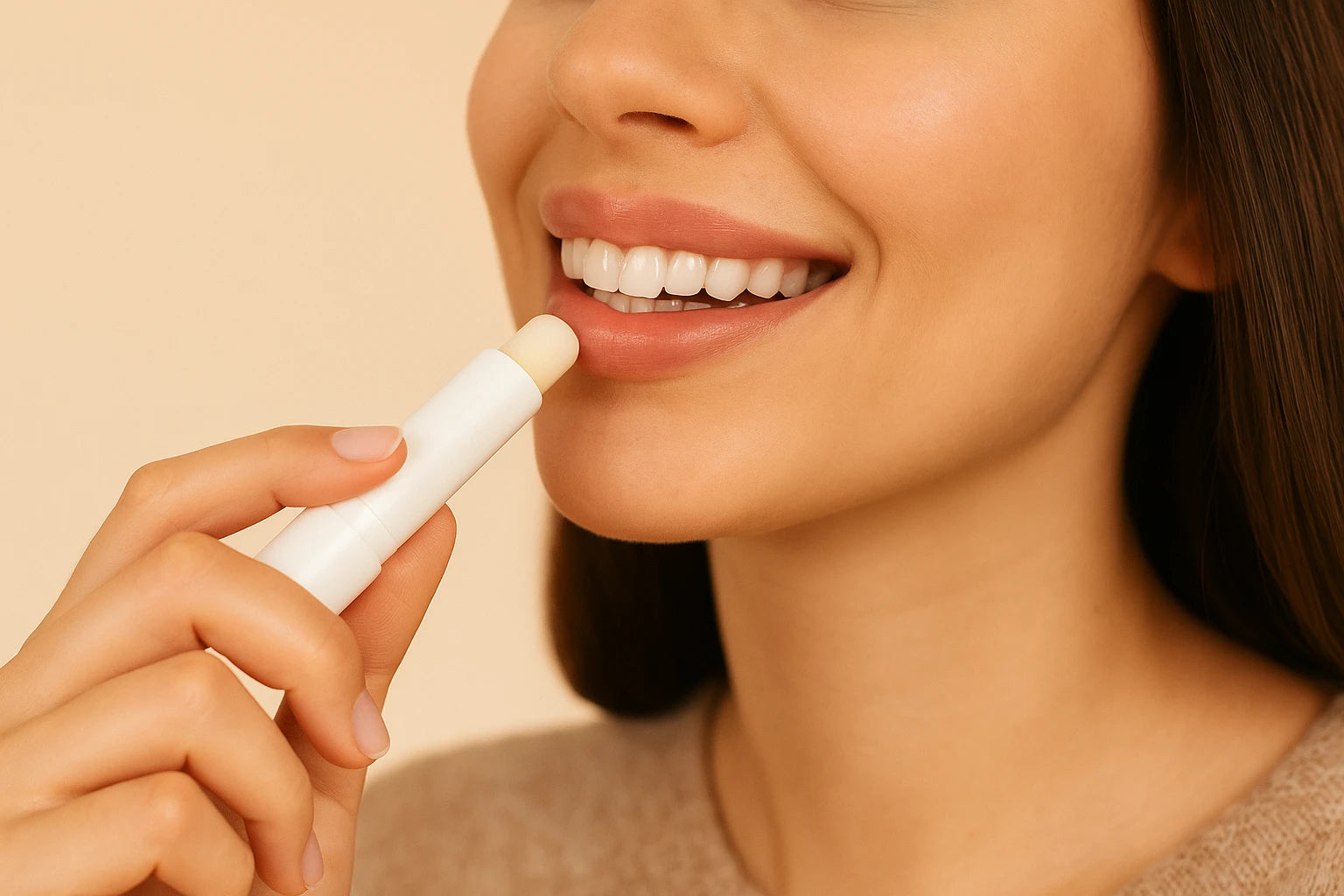
- Hydrate lips constantly with a therapeutic lip balm.
- Use artificial tears for eye dryness.
- Drink enough water.
- Avoid touching or popping pimples.
- Have regular dermatology follow-ups.
Should I Stop Taking Roaccutane If I Experience Side Effects?
You do not need to stop Roaccutane if you develop common side effects like dryness or sun sensitivity, as these are expected and manageable through proper skincare.
However, you should contact your doctor immediately if you experience severe joint pain, strong headaches, mood changes, unusual bleeding, or abnormal blood test results.
The decision depends on the type and severity of the side effect, not its mere presence.
What Is the Recommended Dosage of Roaccutane?
There is no fixed universal dosage. The dermatologist determines the correct dosage based on the patient’s condition, acne severity, skin response, and medical evaluations.
Patients should never adjust their dosage without medical supervision.
Conclusion
Roaccutane is one of the most effective treatments for severe acne, delivering long-lasting and transformative results. However, its use requires responsibility, regular checkups, and adherence to proper skincare to minimize side effects and ensure safe progress.
With the right routine and guidance, patients can complete their treatment journey comfortably and achieve clearer, calmer, and more balanced skin.